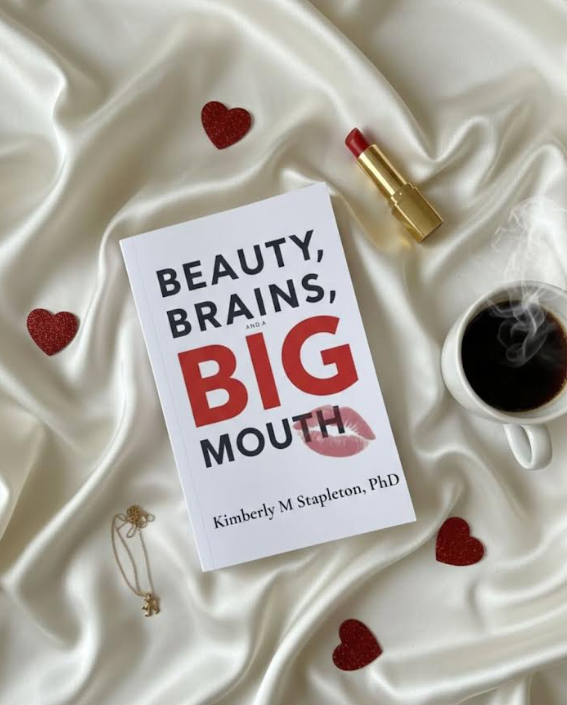
Pretty privilege is a construct that says people who are traditionally attractive have an advantage over those deemed less attractive. Pretty privilege also implies that the “pretty people” get treated better by virtue of being pretty. Pretty privilege can work in many different ways and changes depending on the spaces you occupy. Beauty is subjective, but perceived beauty does have very real societal consequences, and because beauty is a social construct, it thrives off of existing beauty standards that tend to further devalue individuals from marginalized groups.
Society has been conditioned to accept this Eurocentric idea of what beauty looks like. From facial features and skin color to hair texture and body type, these ideals have been entrenched in how we perceive beauty and what is physically attractive. Movements to emerge from the fight against society’s ideas of conventional beauty include the body positive movement, natural hair movement, fat acceptance movement, etc. These movements fight back against the idea that thin, straight hair, able, cis bodies are the standard and affirm that unconventional, bigger bodies with textured hair are beautiful too. These movements are trying to push society towards this acceptance being the norm and not the exception.
However, pretty privilege is dark on both sides. We openly see and can easily point to examples of those who don’t benefit from pretty privilege, but what about those who do? What toll does this take on the people whose assigned value begins and ends with their “beauty”? This type of degradation can manifest both mentally and physically; there is a cost for pretty privilege. The measure of one’s value exists in this idea that beauty is necessary and significant.
It is time we as a society reconstruct what we place value and importance on and what it really means to be beautiful. My mama always says pretty is as pretty does. We need to prioritize character, compassion, love, respect, and tolerance over physical looks. Reconstructing beauty standards starts with prioritizing our values and something as simple as how we compliment each other, utilize one another, and show up for each other. It’s easy to dismiss someone’s accomplishments because of physical attractiveness or demean someone because they don’t meet society’s standard of beauty. Bias comes in all shapes and sizes, but removing the construct of “pretty” from the equation should be the ultimate goal and can lead to a more equitable and just society for all.
 Beauty Brains and a BIG Mouth